What Happens After Falling Off the Charts: The One Common Trait of Idols Breaking the 7-Year Curse
The true vitality of a tier-1 idol is proven right after the flashy promotional period ends. Today, we explore why catalog power is the ultimate secret to longevity.
1. What Remains After the New Release Buff Fades
There is a saying in the K-pop industry called the "7-year curse." It marks the end of the standard contract period, but the more fundamental reason is the difficulty of maintaining freshness amidst a constant influx of rookies.
Usually, the public gauges success by chart entry and first-week sales. However, this is just a "new release effect." True longevity is proven when a song steps down from the charts but remains in the hearts—and playlists—of the listeners.
2. The Metric for Long-Term Success: STR (Streaming Index)
To measure the true lifespan of an idol, IdolHex uses a metric called STR (Streaming Index). This indicator tracks how stably all previously released albums—a group's entire discography—are repeatedly consumed over time, rather than just the latest trendy hit.
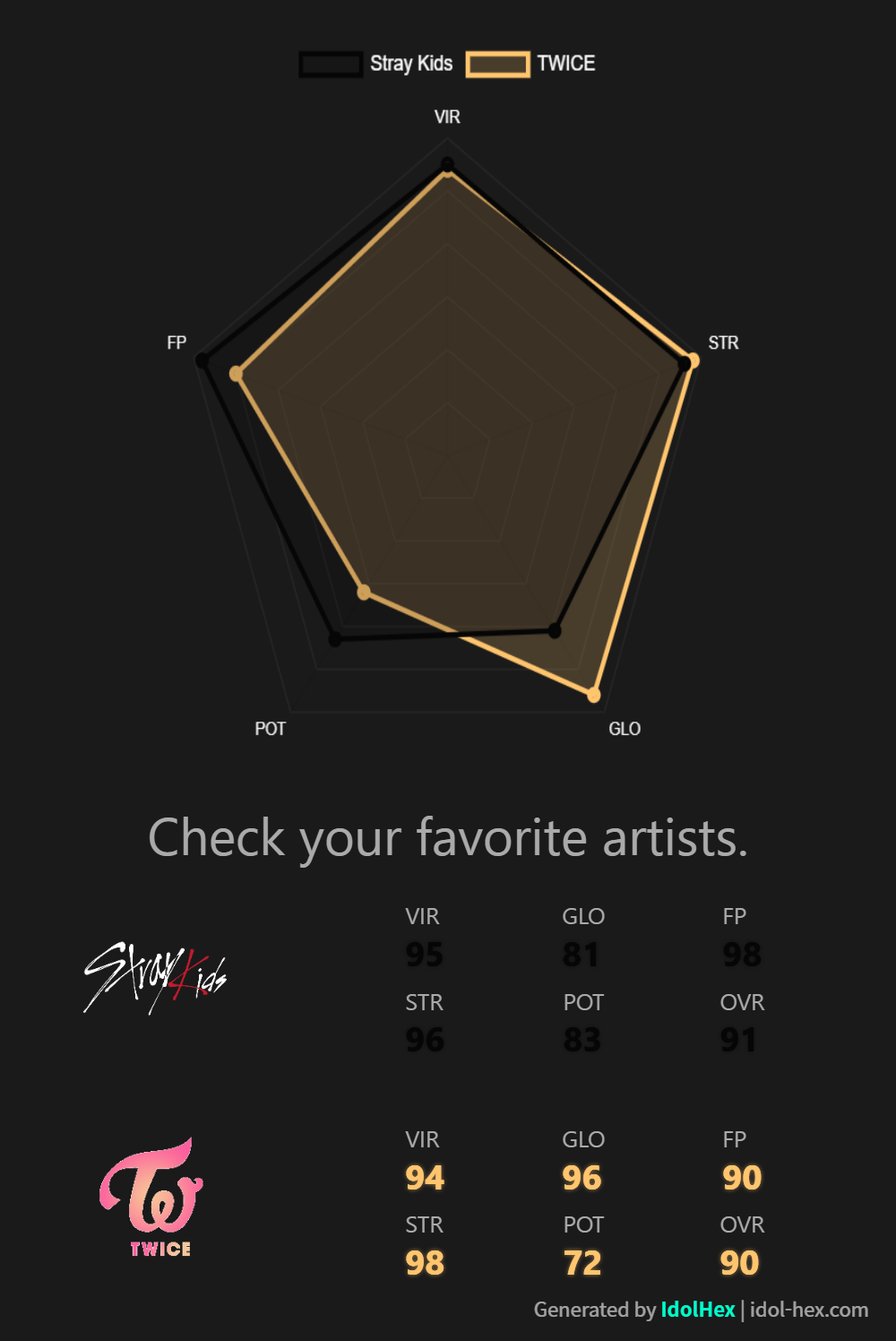
Figure 1: STR (Streaming Index) comparison between veteran groups and rising stars.
3. Overwhelming Catalog Power: TWICE and Stray Kids
Looking at the data, two groups stand out for fiercely expanding their global pie as they gain more experience:
- TWICE (STR 98): A phenomenal score. It means hit songs from their debut to recent releases are firmly rooted in playlists worldwide. The TWICE brand has become a subject of daily consumption.
- Stray Kids (STR 96): Running at the very top. They've built an unrivaled musical genre. This firm identity motivates fans to explore and repeatedly play their entire music archive.
4. The Homework for Rising Stars: Building an Archive Beyond Buzz
Emerging rookies like QWER (STR 60) and TWS (STR 70) drive the hottest buzz (VIR and POT), but their STR is relatively low because their catalog depth is still shallow. For these rookies to achieve long-term success, their mission is to build a narrative and a playlist of masterpieces that fans will pull out even years later.
5. Conclusion: True Tier 1 Speaks Through Their Discography
The true value of an idol is not completed by a one-time trend. The power of music that captivates listeners years after its release is the secret. The overwhelming retention of TWICE and Stray Kids explains why they still sell out stadiums. The "7-year curse" is an outdated term for groups with such solid musical roots.